I’m a history buff and I love to nerd out on a little history even in dermatology. One fascinating thing is the discovery of botulinum toxin and its use in medicine.
Botulism was coined long before the causative organism was identified. In 1820, Justinus Kerner provided a description of clinical botulism based on clinical observations of local outbreaks of ‘sausage poisoning’ and coined the term botulism, based on the Latin word “botulus” for sausage. But the bacterium wasn’t identified until over fifty years later. In 1897, a group of Belgian musicians became ill after performing at a funeral. The culprit? A contaminated smoked ham. The ham was sent for analysis and Emile van Ermengem identified Clostridium botulinum as the offending agent. Later, C. botulinum was purified by US scientists during World War II and the paralytic effects were noted by D. B. Drachman after he conducted animal studies in 1965.
Before becoming all the rage for wrinkling, Botox made its debut with ophthalmology. Yes, the eyes have it! In the 1970s, Dr. Alan Scott, later named the Father of Botox, studied the toxin for eye conditions. He showed how onabotulinumtoxinA could improve strabismus and help after surgery for a retinal detachment. In 1989, the FDA approved onabotulinumtoxinA, known as Oculinum, for eye muscle disorders. In 1991, Allergan acquired Oculinum and later rebranded it as Botox in 1992.
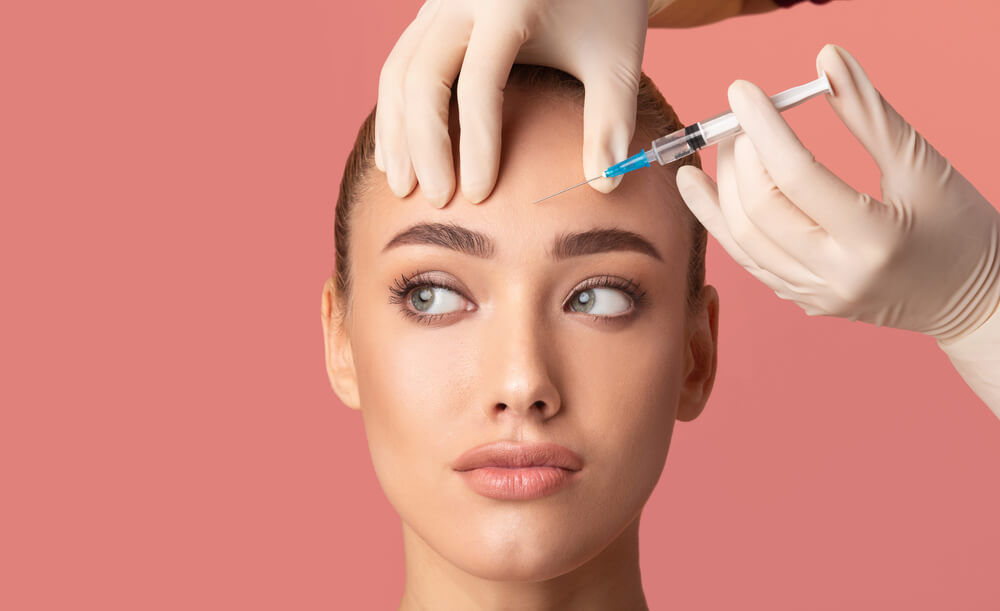
But Botox wasn’t a thing for wrinkling—just yet. Like many other medical advancements, Botox for wrinkling was found accidentally. In the 1990s, Canadian ophthalmologist Dr. Jean Carruthers and her husband, dermatologist Dr. Alastair Carruthers, noticed that patients being treated with Botox for eye spasms also had less wrinkled skin around the eyes. Because of their observations, clinical studies were conducted on the cosmetic effects of Botox, and in 2002 the FDA officially approved Botox for cosmetic use to temporarily improve the appearance of moderate to severe frown lines between the eyebrows. And viola! The start of Botox as a household name and favorite of anti-aging treatments.
While Botox was the first to market, there are several other neurotoxins available to treat wrinkling. They each have their nuances and preference is often at the injector’s pleasure or sometimes the patient. I know many patients that are “Team Botox” or “Team Dysport” or “Team Whatever is on Special this week”. You know who you are! Now we have several different FDA approved neurotoxins available in the US including:
- Botox (onabotulinumtoxinA): Onset 7-14 days, versatile with both medical and cosmetic indications, lasts 3-4 months.
- Dysport (abobotulinumtoxinA): Onset 2-3 days, smaller molecular structure which may allow for better diffusion, higher doses needed than Botox lasts 2-3 months.
- Xeomin (incobotulinumtoxinA): Onset 5-7 days, considered “naked”–no additives or proteins like so may be a good option for those with resistance or allergies to other neurotoxins.
- Jeauvea (prabotulinumtoxinA): Onset 2-3 days, “light Botox”, prevention.
- Daxxify (daxibotulinumtoxinA-lanm): Onset 2 days; designed to last longer (6 months or more).
- Letybo (letibotulinumtoxinA-wlbg): Onset 2-3 days, no additives or protein, #1 neurotoxin in South Korea.
Trotter’s Take: Neurotoxins have revolutionized the cosmetic industry and serve as an effective, safe cosmetic procedure.
Paralyzed with excitement about Botox? Then check out my conversation with Dr. Gary Goldenberg on neurotoxins.