Hats Off to Cold Cap Therapy for Chemotherapy-Induced Hair Loss
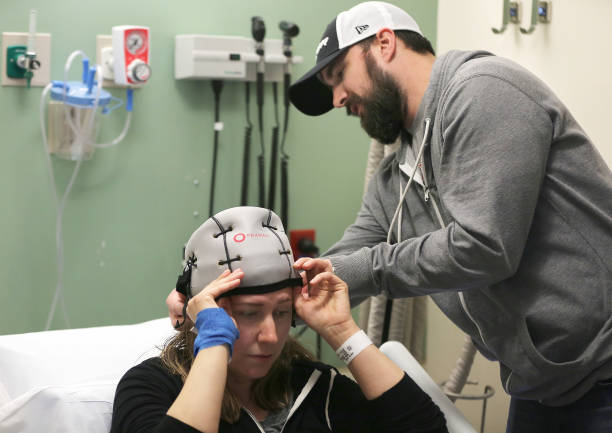
Hair loss is one of the most visible and emotionally distressing side effects of chemotherapy, often impacting a patient’s identity, confidence, and sense of normalcy. While frequently overlooked in clinical priority, its psychological burden is profound. Cold cap therapy offers a proactive solution by cooling the scalp to reduce chemotherapy exposure to hair follicles, helping prevent hair loss before it begins. As oncology care evolves, preserving hair is becoming an important part of supporting patients holistically through treatment.
Preventing Hair Loss During Chemotherapy: The Role of Cold Cap Therapy
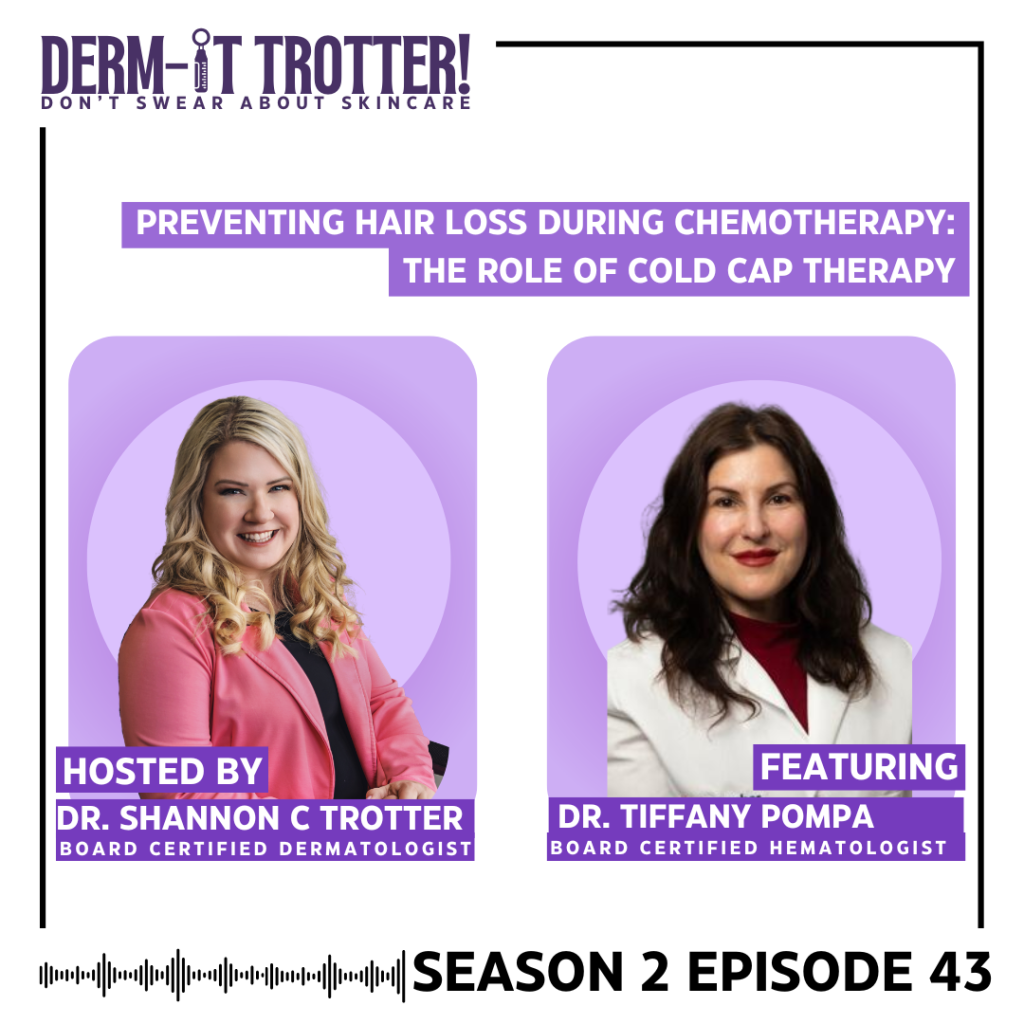
Hair loss during chemotherapy can feel overwhelming and out of your control. Dr. Tiffany Pompa breaks down why it happens, how immunotherapy differs, and what patients should know about scalp cooling and hair loss prevention.
Hydroquinone for Hyperpigmentation: Is It Still the Gold Standard?
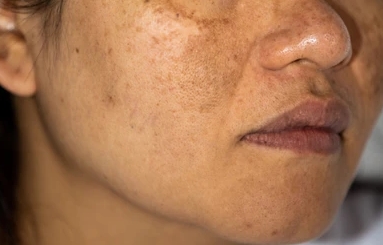
Hydroquinone has long been considered the gold standard for treating hyperpigmentation—but is it still the best option? In this article, Dr. Shannon Trotter explores why hydroquinone was removed from over-the-counter shelves, clears up common misconceptions about its safety, and explains how newer ingredients like thiamidol, azelaic acid, and tranexamic acid are expanding treatment options. Discover why personalized skincare and daily sun protection remain the keys to fading dark spots.
Why Good Dermatologists Treat Melasma, Acne Scars, and Sunspots Differently

Struggling with dark spots that won’t fade? Dr. Heather Woolery-Lloyd explains what causes hyperpigmentation and how to treat melasma, acne scars, and sunspots with the right approach—so you can stop guessing and start seeing results.
The Customer is Not Always Right: Why Healthcare is Different

“The customer is always right” doesn’t apply in healthcare. Patient-centered care isn’t about giving patients everything they ask for—it’s about partnering with them to make the safest, most evidence-based decisions. Sometimes the most important prescription is the confidence to say, ‘This isn’t the best choice for you—and here’s why.’ Learn more about navigating challenging patient conversations and evidence-based prescribing in Dr. Shannon Trotter’s latest discussion with Dr. Jim Del Rosso.
Why Good Dermatologists Don’t Always Give You What You Ask For
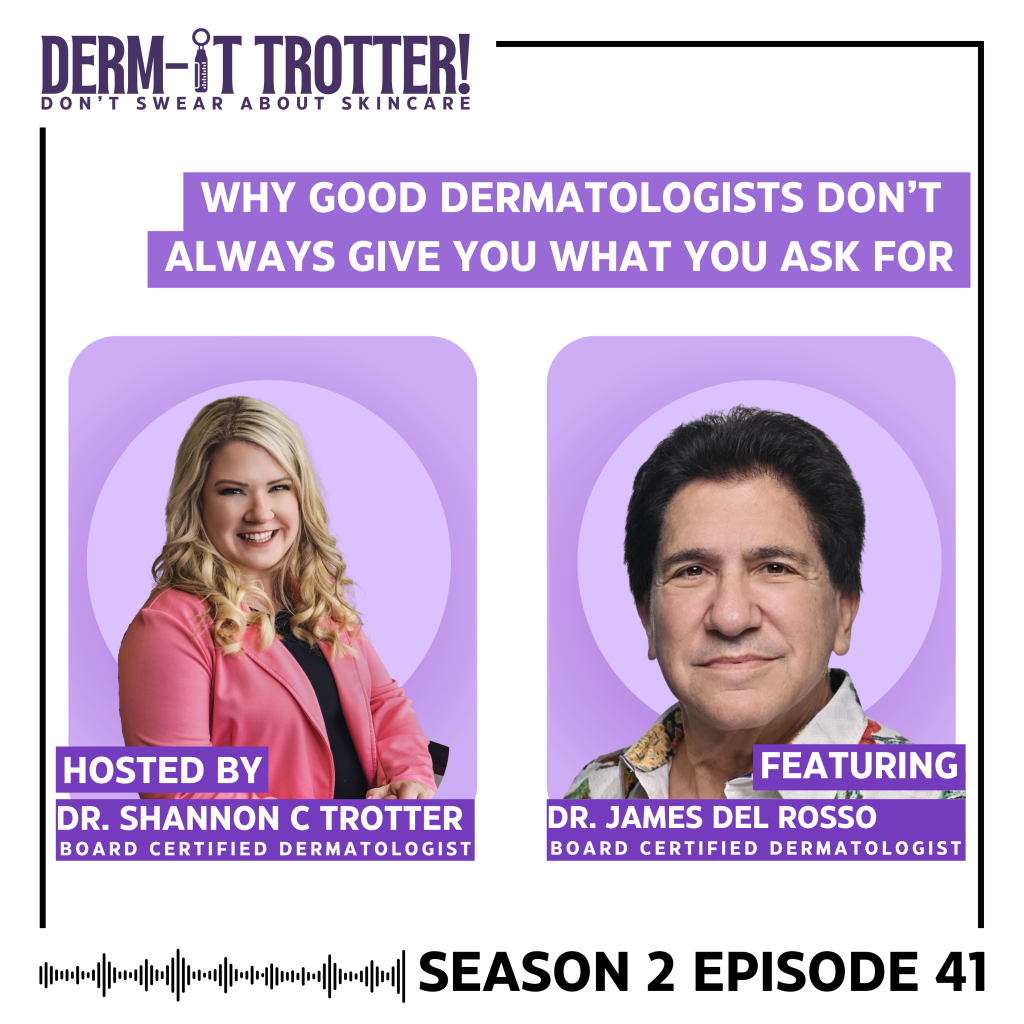
When patients ask for viral skincare treatments, how do dermatologists respond? Dr. Jim Del Rosso breaks down acne, rosacea, and why the right diagnosis matters more than chasing trends.
Bringing Hives Back to Dermatology
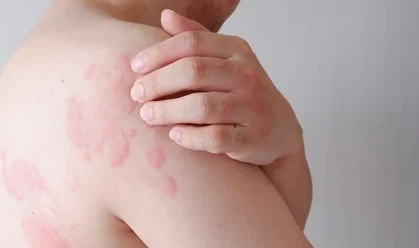
Chronic urticaria (hives) is often misunderstood as primarily an allergic condition, when in reality most cases have no identifiable trigger. While acute hives may be linked to allergies, infections, or medications, chronic spontaneous urticaria is typically driven by immune system dysregulation rather than a specific allergen. Advances in treatment have transformed management, shifting the focus from an often-fruitless search for triggers to effective disease control. Dermatologists are uniquely positioned to diagnose, manage, and improve quality of life for patients with chronic hives, making urticaria a condition that should remain firmly within the scope of dermatologic care.
Hives Uncovered: What You Need to Know
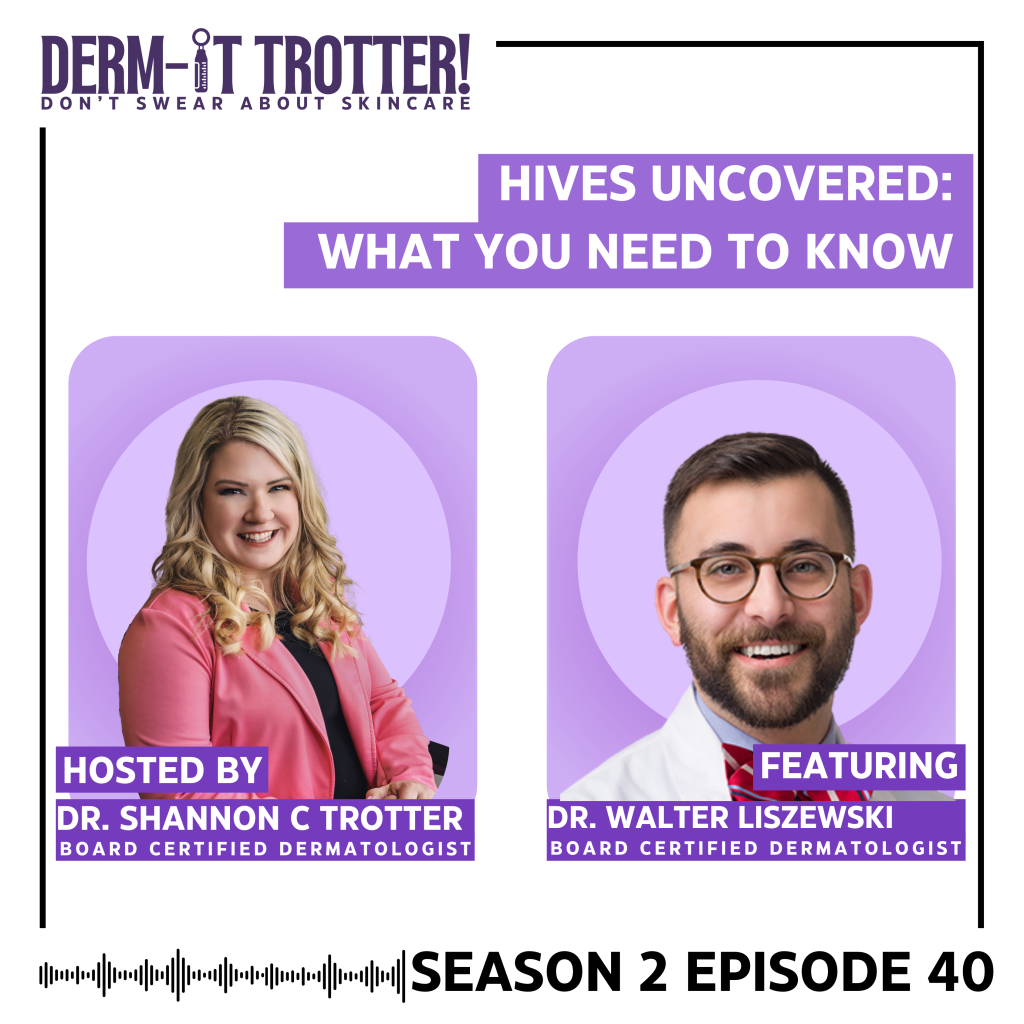
Chronic hives can affect far more than the skin, impacting sleep, focus, mental health, and daily life. In this episode, dermatologist Dr. Walter Liszewski shares expert insights on the causes of urticaria, common misconceptions, and emerging treatments that are changing patient care.
Psoriasis: We’ve Come a Long Way
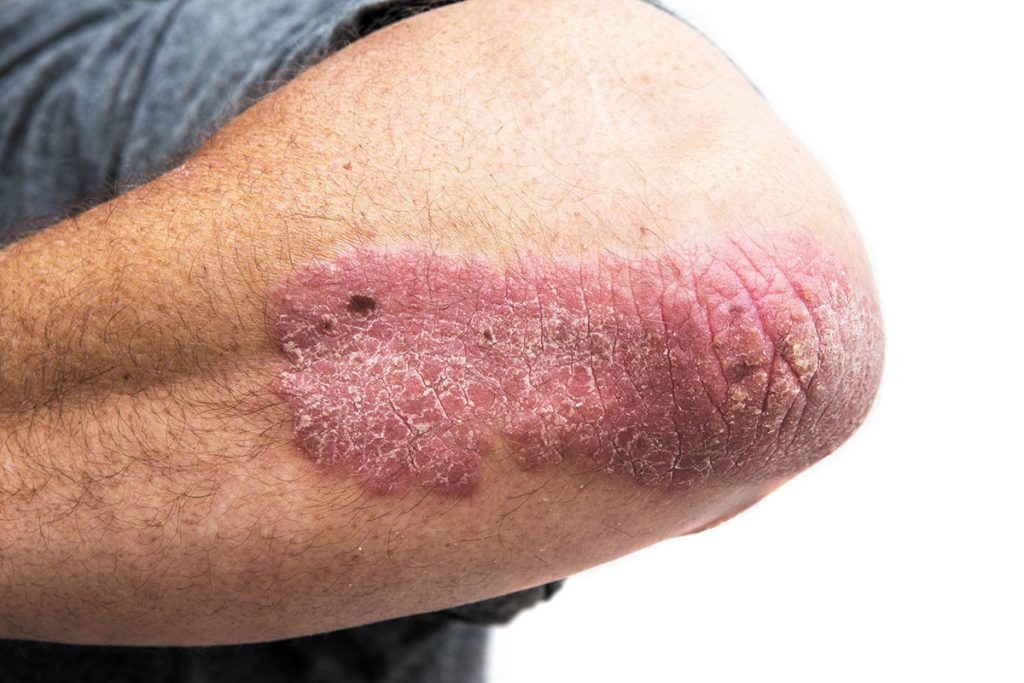
Psoriatic arthritis is a chronic inflammatory disease that affects up to 40% of people with psoriasis. Early recognition and treatment are critical to prevent irreversible joint damage, reduce systemic inflammation, and improve long-term quality of life. Dermatologists play an essential role in identifying symptoms early and coordinating comprehensive care that addresses both skin and joint health.
Could Your Joint Pain Actually Be Psoriatic Arthritis?
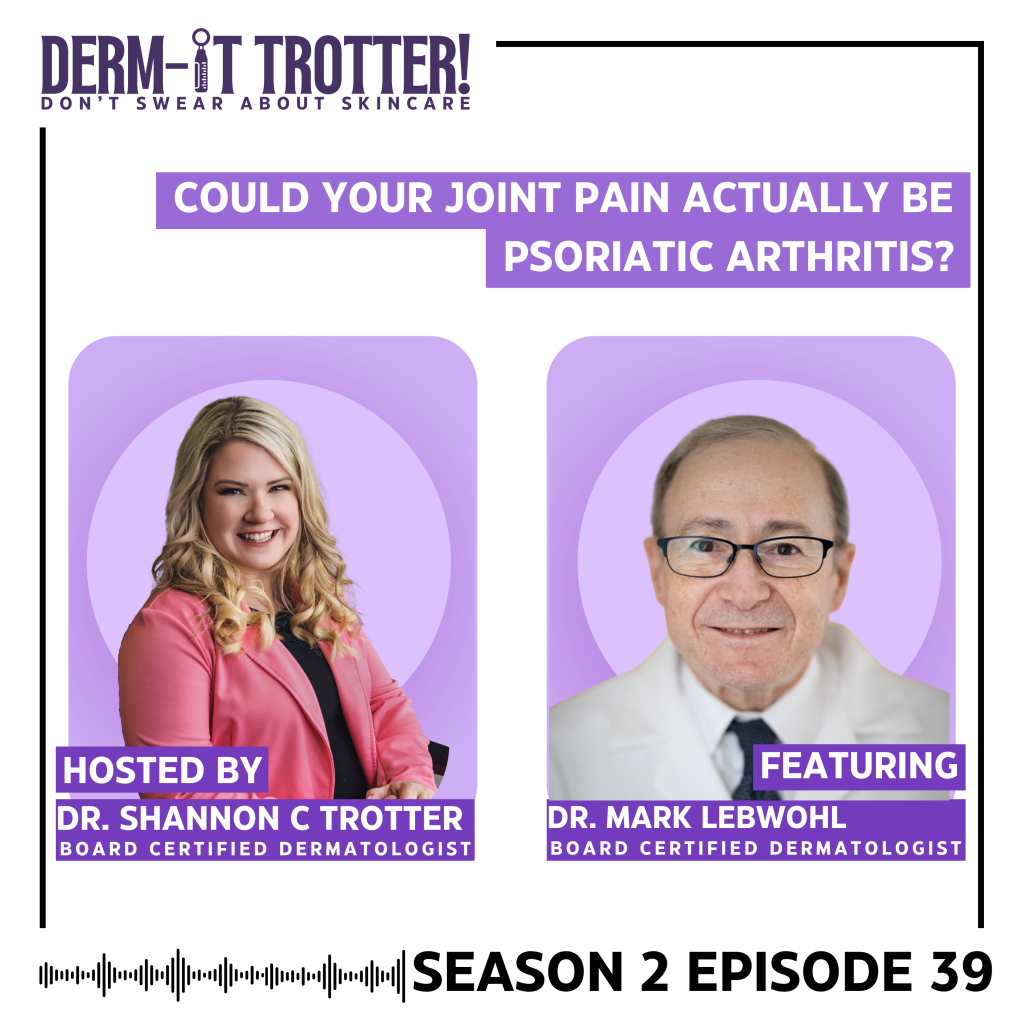
Joint pain with psoriasis isn’t something to ignore. Dr. Mark Lebwohl breaks down the early signs of psoriatic arthritis and why early diagnosis is key to preventing long-term damage.