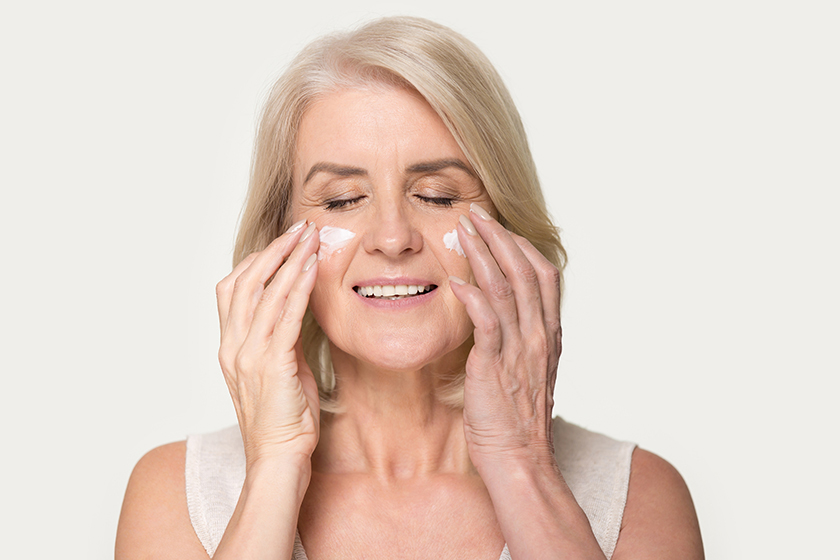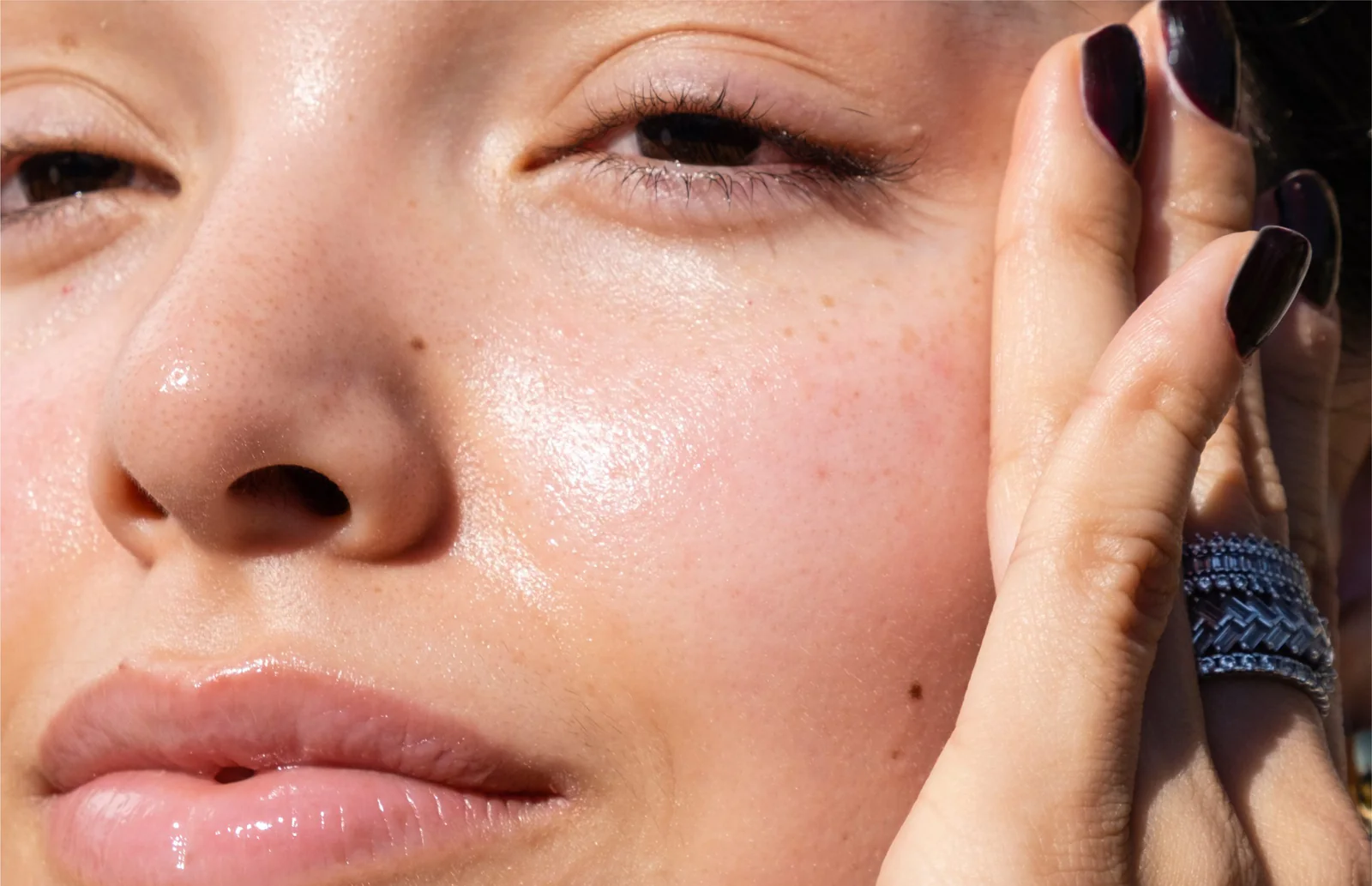
When I was pregnant, I loved when my friends and family commented that my skin was glowing. While it may have been sweat from all the other hormonal changes, I’d like to think it was because I was giving my skin an extra boost with glycolic acid and vitamin C. Glowing skin is all the rage with trends like glass skin. I can remember when the matte look was queen, but now the dewy, glowing look has taken over. The hard truth is that our skin can dull over time, and we lose the ability to generate new skin cells. Translation–dull skin. Add sun damage, hormones and dryness to the mix and it’s the perfect storm for a complexion tornado. Brown spots, uneven tone, hyperpigmentation and a lack of radiance.
When you think of skin brightening, vitamin C is the gold standard for getting that glow up [Read Here] and other key players include azelaic acid [Read Here]. In addition,, there are other options to help bring about your skin’s glow. One is niacinamide. Niacinamide is a form of vitamin B3 and prevents the transfer of pigment within the skin. Niacinamide has many skin benefits including calming inflammation and improving the skin barrier and it plays well with other ingredients like retinol. In general niacinamide is tolerable for most skin types and can be used once to twice daily. Concentrations of 2-5% are generally recommended but be careful if you go potent and choose a 10% or more version. At high concentrations, niacinamide can cause irritation.
If sake or mushrooms are your thing, then let me introduce you to kojic acid, which inhibits tyrosinase, an enzyme essential for melanin production.. Kojic acid is a byproduct of fermenting rice or soybeans with certain types of mold and also comes from certain mushroom varieties. Because kojic acid pairs well with most ingredients, it is often combined with other skin-brightening ingredients like niacinamide and azelaic acid. Kojic acid can be irritating to the skin, so I recommend using it with a moisturizer and/or limiting its use to a few times a week.
Another skin favorite is licorice. While I can’t stand licorice, including Twizzlers, I love l licorice root extract for the skin. Often licorice root is mixed with other antioxidants and skin brighteners, such as niacinamide and vitamin C. Licorice extract also inhibits tyrosinase. Another cool feature is that licorice extract contains liquiritin, which disperses melanin, preventing new dark spots from forming. Licorice root can prevent new dark spots but also fade existing ones. It’s a win-win!
A newer kid on the block is Thiamidol. Patented by Eucerin, this is a primary ingredient that can also lighten dark areas. It is the most potent inhibitor of tyrosinase on the market and can help lighten different forms of hyperpigmentation from melasma to that dark mark left by that giant zit you had last week.
And yes, a plug for sunscreen! It’s the mainstay of any brightening routine. First, if you are trying to minimize dark areas and uneven tone, you need to minimize your sun exposure (the trigger for dark spots) and protect your skin. That’s where sunscreen is a must. Second, many sunscreens contain lightening agents like vitamin C, niacinamide or Thiamidol to ward off dark spots and prevent recurrence.
If topicals haven’t helped you reach your skin brightening goals, you can also consider in-office procedures like chemical peels, microneedling and lasers. After achieving your new glow, topicals are still an important foundation to maintain results and prevent repigmentation.
Trotter’s Take: Combine consistent sun protection with other powerful lightening agents to create that bright complexion and even tone.
Want to get your glow on too? Then listen in with Dr. Patti Ferris as we take a deep dive into vitamin C for brighter skin.