Sun damage, aka actinic damage, is frequently downplayed with terms like sunspot or age spot, but it truly is a sign of injury to your skin. Social media has fueled a misperception of sun damage as attractive, harmless and inevitable. Even more concerning is the tendency to underestimate the impact sun damage has on skin health. However, actinic damage really is DAMAGE. I’m talking deep damage down to the cellular level where bad things happen. Yes, like mutations in the DNA of your skin cells that lead to premature aging and of course, skin cancer.
Sun damage can present in a variety of ways including wrinkling, loss of elasticity and changes in skin coloring. Over time, our skin dons shades of pink, brown and white, often studded with broken blood vessels, due to those days of tanning with baby oil and iodine, or repeatedly hitting those 18 holes of golf. Ever wonder where the term redneck comes from? The term dates back to the 19th century as a description for rural farmers and other outdoor laborers whose necks burned from being out in the sun. In the early 20th century, striking coal miners in Appalachia reappropriated “redneck” by wearing red handkerchiefs around their necks to show unity during labor disputes. Over time, redneck carried a derogatory connotation to refer to working-class whites but then was also pridefully used as a reference to blue-collar values. So there you have it, the history of redneck. Yet again, dermatology contributes to society!
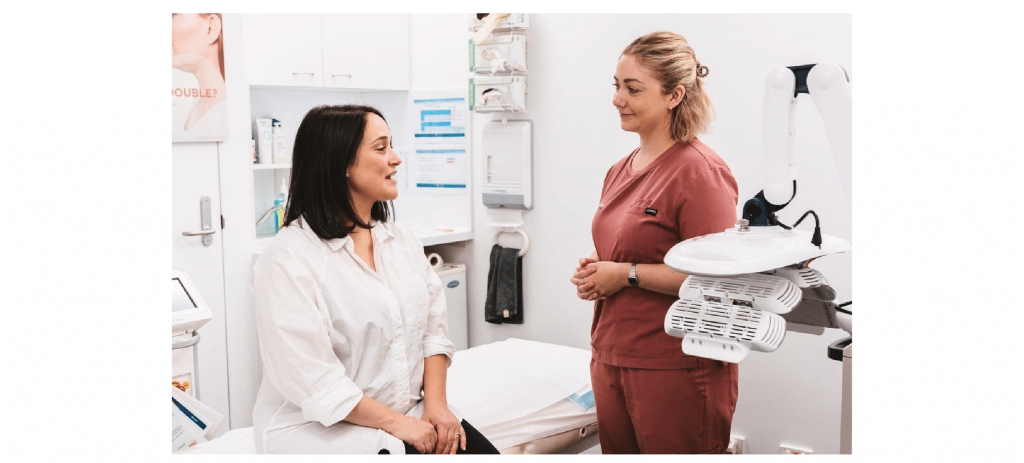
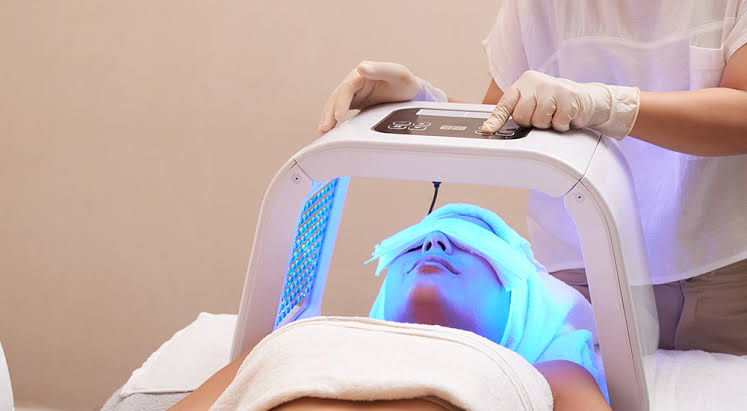
While a red neck may be a sign of sun damage, so are actinic keratoses (AKs). AKs present on sun exposed sites like the scalp, face, neck, chest arms and hands as pink or brown scaly lesions. They can bleed or even be symptomatic, causing a burning or stinging sensation. What you may find ironic is we use a light treatment to treat AKs, which were caused by UV light. Known as photodynamic therapy or PDT, the process is pretty simple. You use a photosensitizing agent, typically aminolevulinic acid, and apply it to the skin. It rests on the skin for a period of time, often between 1-2 hours, depending on location. This time is referred to as the incubation period and the goal is to give time for the photosensitizer to accumulate in precancerous cells. Then you are placed under a light, either blue or red. The light activates the photosensitizer and essentially causes the precancerous cells to burst and die. I like to tell patients, think of your skin like a steak, the photosensitizer like your marinade, and the light treatment is the grill. With PDT, we’re essentially going to cook your precancer cells.
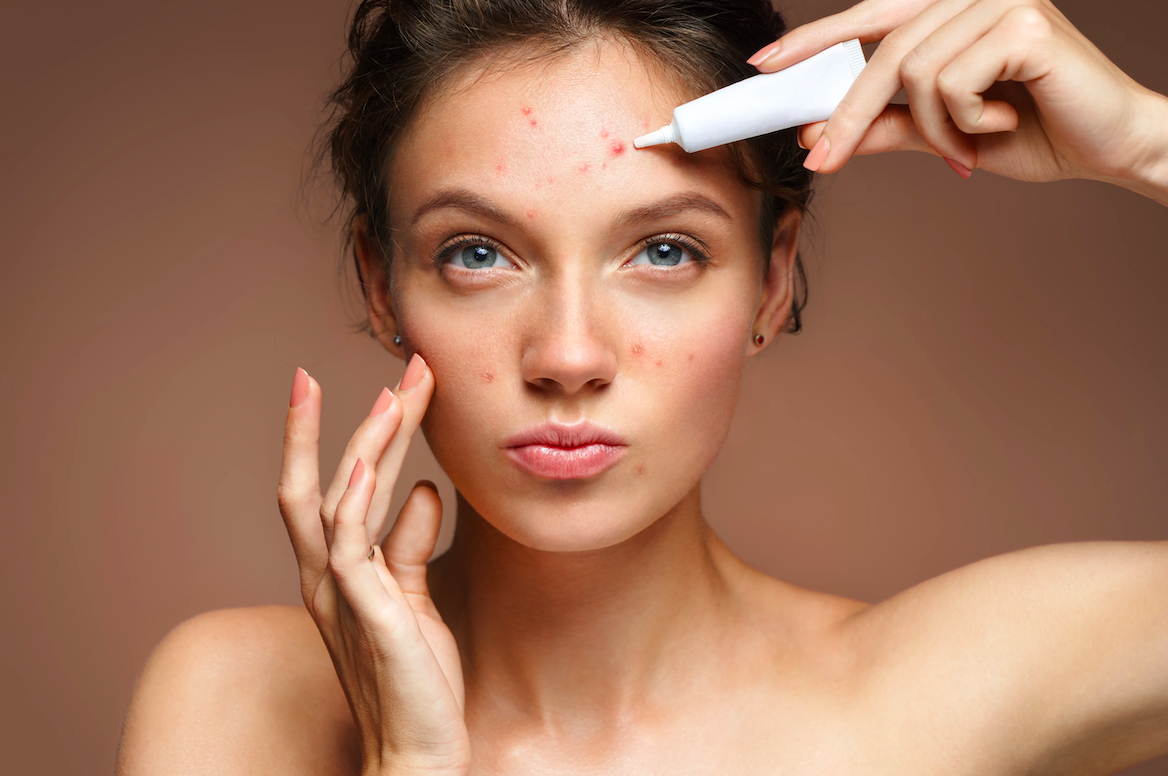
There are two main types of PDT, blue light and red light. Blue light has a shorter wavelength and is more superficially absorbed in the skin, commonly used for actinic keratoses and also has FDA approval for acne. Red light is a longer wavelength and penetrates deeper than blue. It is also used for actinic keratoses and more recently received FDA approval for superficial basal cell carcinoma (BCC).
Why do I love PDT? Because it can address not only the AKs we see, but also the sun damage hiding below the surface of the skin or subclinical damage. We call this concept field cancerization. Because PDT can be used as a field therapy option for treatment, it is a more proactive approach to treating AKs while freezing or cryotherapy is more reactive. However, I still use cryotherapy too, often in conjunction with PDT. Historically, AKs were more often seen in patients in their 60s. With the tanning bed craze and increase in leisure time outdoors, many of my AK patients are in their 40s and 50s. Offering PDT as a treatment choice is a great opportunity to intervene early and provide a more comprehensive approach to actinic damage.
Trotter’s Take: Photodynamic therapy is an effective, proactive treatment option for actinic keratoses that can reduce your risk of developing cutaneous squamous cell carcinoma.
Want to learn more about the bright side of PDT? Then listen to Dr. David Cleaver as we talk about photodynamic therapy as an effective tool to manage sun damage.