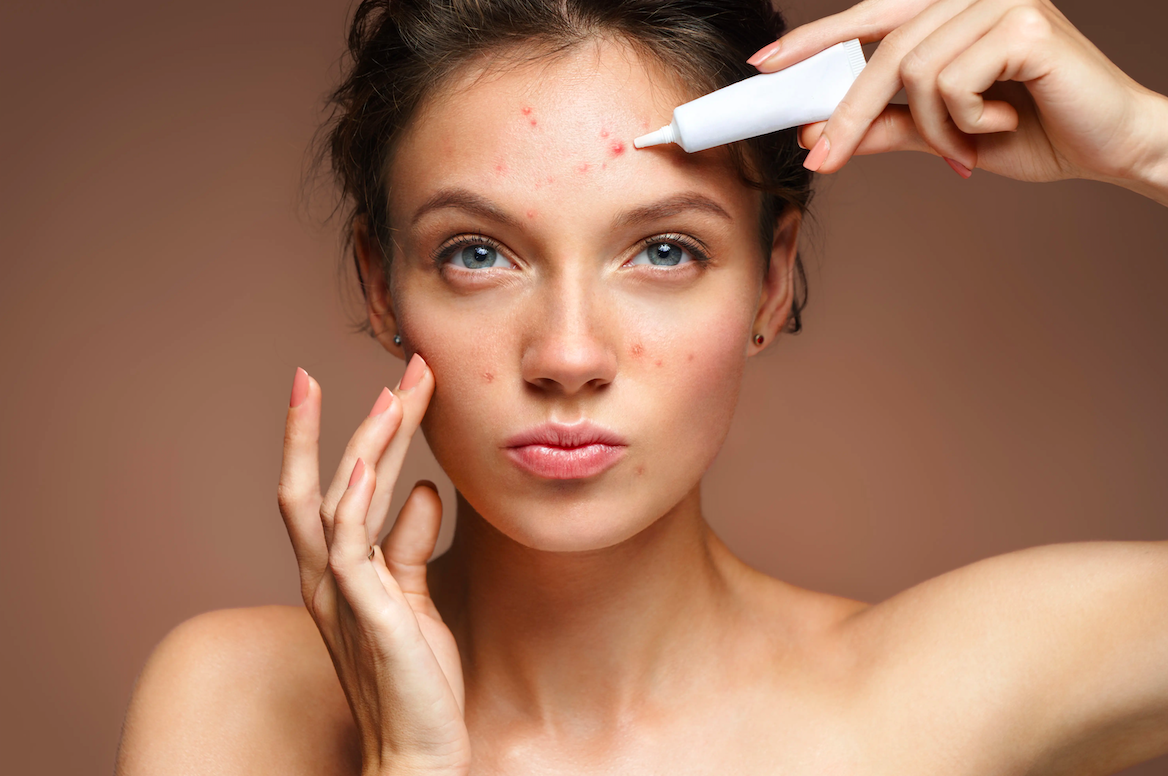
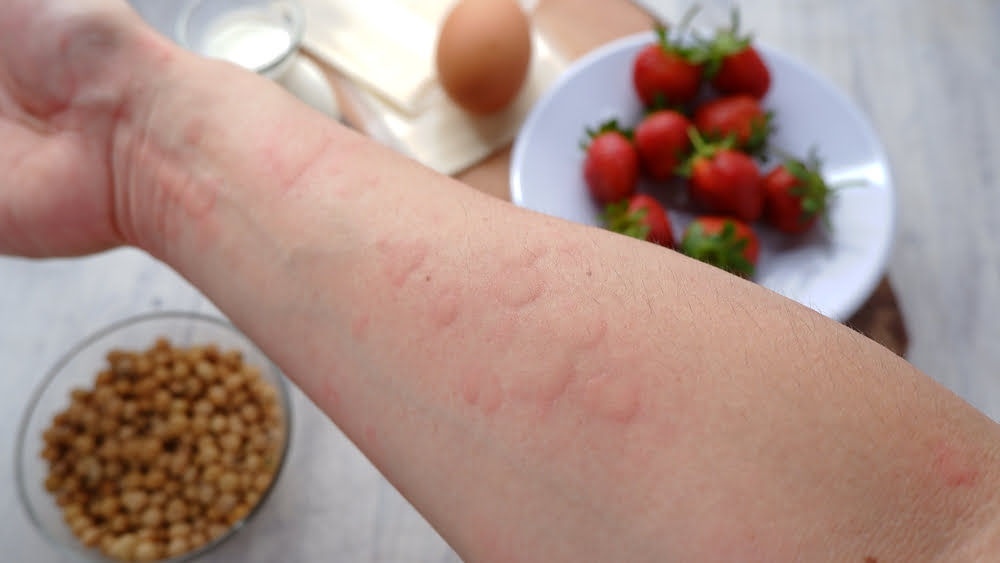
I am a firm believer that you are what you eat. But what if the foods you’re munching on might be a cause of your rash because it had been on your skin before–sneaky huh? Often when we break out or have a rash, our immediate thought process is to blame something we ate and think it’s an allergy, but did you know there could be other reasons foods are bothering your skin?
You can get what’s called a food sensitivity. Food sensitivities are not allergic in nature but rather a reaction due to a lack of digestive enzymes or sensitivities to food chemicals or additives. Food sensitivities can result in worsening of rashes like eczema or cause generalized itching. Ever known someone who is lactose intolerant? That’s an example of an enzyme deficiency. Or wonder about your friend who says they are not gluten allergic but rather gluten intolerant? Yes, it’s a real thing. Gluten sensitivity results in symptoms like bloating, diarrhea and headaches but it is different from the autoimmune condition Celiac disease. Love your red wine but concerned about sulfites? Remember MSG…yes in your favorite Chinese takeout? Sulfites and MSG are examples of chemical sensitivities and can trigger rash or itching. You can also get a rash from food additives like artificial sweeteners, such as aspartame and sucralose. If my husband dares to eat something with sugar alcohol in it—watch out!
Some food-related reactions are due to histamine intolerance (HI). Histamine? Yes, that pesky chemical that is responsible for seasonal allergies and hives strikes again. People with histamine intolerance lack an ability to digest histamine in their diet, which leads to gastrointestinal and allergy-like symptoms. Histamine intolerance can present in a variety of ways including nausea, vomiting or diarrhea, headache, itching, flushing, rash or hives. The exact cause is unknown, but the theory is that histamine intolerance sufferers have reduced activity or low levels of diamine oxidase (DAO), which breaks down histamine. Foods that are considered high in histamine or cause a histamine release include my favorites like cheese, wine, eggplant, chocolate and nuts to name a few. HI can be difficult to diagnose, but doing a food elimination diet and keeping a food diary can help make a diagnosis. You can also do a histamine challenge test or check DAO levels.
Now for allergic reactions due to things that come in contact with your skin. Yep, it’s a thing. If you are exposed to a particular chemical through your skin, it could potentially cause a rash if ingested. This is the logic behind what we call systemic contact dermatitis (SCD) and this is truly allergic in nature. Like many of you out there, I have a skin nickel allergy and cannot wear nickel earrings without developing an itchy, oozy rash on my earlobes. In theory, I could develop a systemic contact nickel allergy whereby ingesting nickel rich foods could trigger a widespread rash. While this isn’t as common as people think, it is a true phenomenon. Nickel rich foods include legumes, oatmeal, nuts, and chocolate. Nickel is just one example but there are other culprits out there too. Balsm of Peru, a fragrance, is found in perfumes, cosmetics, and topical medicines. One of my favorite colognes has Balsm of Peru but I’m not giving it up yet. However, If I developed a contact dermatitis to Balsm of Peru due to spritzing that vanilla deliciousness each day, I could in theory also get SCD if I consumed foods like citrus fruits, tomatoes, vanilla, cinnamon, soft drinks, gin and even mayo! A contact allergy to parabens, a preservative found in many cosmetic products, can also cause a SCD if you ingest jellies, jam or even pickles. Often those with SCD already carry a diagnosis of contact dermatitis but sometimes it isn’t so obvious. If your provider suspects SCD, a thorough work up and patch testing can help confirm the diagnosis.
Trotter’s Take: Food and the skin have a connection but figuring out the details requires an understanding of allergy vs sensitivity and an awareness of systemic contact dermatitis as a possible trigger.
Hungry for more about food and your skin? Then check out Dr. Carsten Haman as he sets the record straight regarding food and the skin.