No one wants to talk about it, but the rub is real! Call it what you want—chub rub, friction rub, thigh fire, jogger’s nipple, but the reality is chafing is real and one of the most frustrating skin conditions to experience. Often people are embarrassed to ask about chafing because it occurs in sensitive areas or because if you chafe, you might be body shamed for your weight. Well, I am here to tell you that chafing happens to everyone in some shape, way or form. You don’t have to be overweight to chafe and even if you are, you should not feel uncomfortable talking about it. Chafing is a skin condition just like anything else and deserves attention and respect to help treat it.
Chafing results from friction, whether it’s skin rubbing on skin or skin rubbing on clothing. Most of us know the outcome of this scenario—you wear a dress or skirt, or shorts that are a little too short, and you feel the rub of your skin on skin or your skin on the shorts. Sometimes it’s our clothing, like a bra or underwear that is too tight. For you marathon runners, you know about nipple chafing that occurs from your nipples rubbing against your shirt while you push to the finish line. And for you breastfeeding mamas, the nipples are also at risk to chafe. The most common areas of the body affected by chafing are the thighs, groin, armpits, butt, breasts, and nipples. Anyone can chafe, but ill-fitting clothes, hot weather, excessive skin and intense exercise are often to blame.
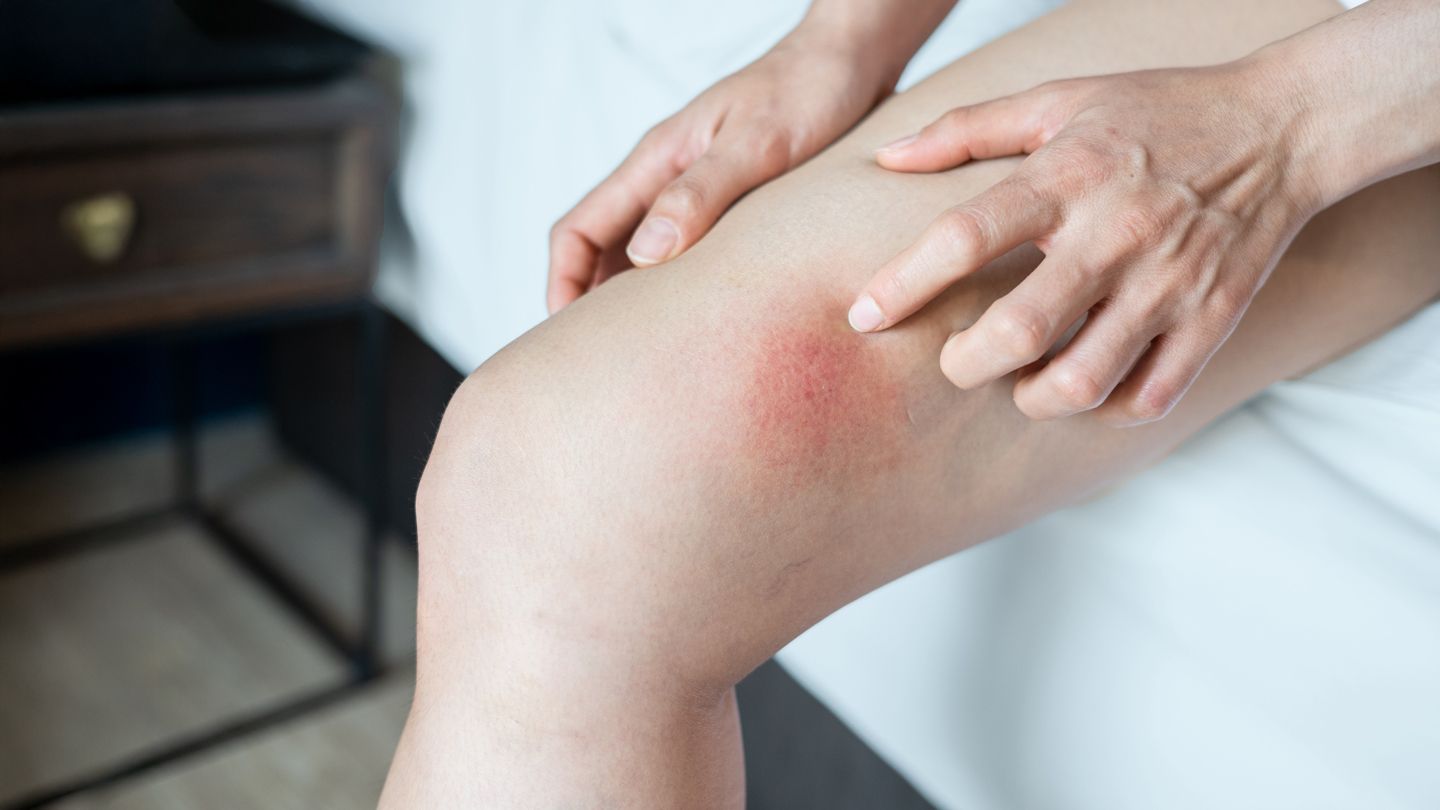
Chafing creates redness and pimple-like bumps that are annoying and sometimes painful or itchy. Sometimes chafing results in red, flaking skin or skin that feels hot or stings. Excessive chafing can lead to skin that becomes open or cracked, which can lead to infection. Once the skin is chafed, it’s important to give it a break from any further friction and to keep it dry. Wash chafed skin daily with a gentle cleanser and apply cool compresses, petroleum jelly based products or aloe vera gel to soothe the area. You may also need to treat with prescription topical steroids. Although chafing seems harmless, a more serious complication is infection. If the skin becomes infected, antibiotics may be necessary for treatment.
Prevention is key to treating chafing and focuses on addressing some of the things that cause chafing in the first place. For example, if you can exercise in cooler climates or avoid a particular type of exercise that causes chafing, then do it. To help with perspiration, try an antiperspirant spray and wear moisture wicking clothing. Choose fabrics made from 100% cotton or those labeled “moisture wicking,” which are typically spandex, polyester, or nylon. You can also apply an anti-chafing cream, stick or powder to reduce rubbing. In addition to using a cream or lotion to help with chafing, there are also patches and covers to minimize friction. You can use nipple covers or nursing pads or patches on the inner thighs. And how great is this—there are clothes designed especially to deal with chafing so you don’t have to. You might see running shorts with anti-chafing shorts sewn into them or you can also invest in undergarments that chase chafing away. So don’t throw away the dresses or skirts just yet and don’t be afraid to embrace warm weather!
Trotter’s Take: Don’t be embarrassed by chafing—it happens to everyone. Avoid triggers like hot weather and certain exercises that cause chafing. Use a skin product and/or clothing designed to eliminate friction to make chafing less of a nuisance for you and your skin.